


peso99 | Exploring the World of Strategy Games: Unveiling Key Features and Trends
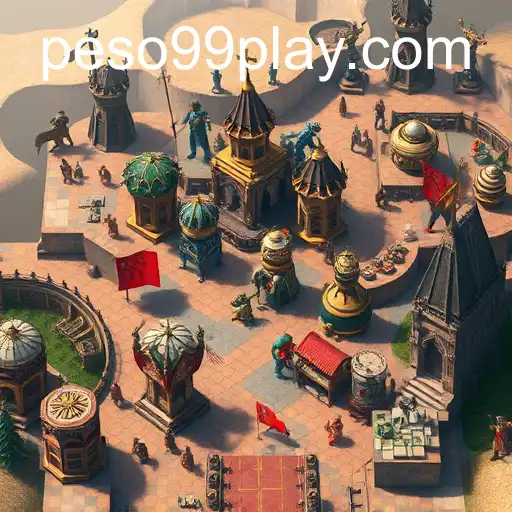
Strategy games have long captivated the minds and hearts of gamers worldwide, drawing them into complex worlds where every decision matters. These games are designed not only to entertain but also to challenge players' strategic planning and critical thinking abilities. As a genre that encompasses a wide range of game styles, strategy games can be categorized into various sub-genres, such as real-time strategy (RTS), turn-based strategy (TBS), and grand strategy, each offering unique gameplay mechanics and experiences.
Real-time strategy games demand players make quick decisions, often managing resources and commanding units in fast-paced environments. Classics like 'StarCraft' and 'Warcraft' have set high standards, demanding both tactical finesse and strategic foresight. On the other hand, turn-based strategy games, such as the 'Civilization' series, allow players to delve into deeper planning processes, considering numerous variables before committing to actions, making every turn a critical component of their overall strategy.
In recent years, the strategy games industry has witnessed substantial evolution, driven by advancements in technology and changing gamer preferences. Enhanced graphical capabilities have brought vivid environments to life, while improved AI systems offer sophisticated challenges that adapt to player strategies. Furthermore, the inclusion of multiplayer modes has encouraged cooperative and competitive play, bringing a social dimension to strategic conquests.
With the rise of mobile gaming, strategy games have also carved a niche on mobile platforms. Titles like 'Clash of Clans' and 'Plague Inc.' have showcased how strategy games can be tailored for touch interfaces, offering quick yet engaging experiences suitable for gaming on the go. This accessibility has not only expanded the audience but also introduced diverse gameplay innovations unique to the mobile gaming space.
As we continue to explore the vast potential of strategy games, emerging trends suggest a growing interest in narrative-driven experiences and hybrid genres that combine elements of strategy with other gameplay mechanics. The use of procedural generation and adaptive difficulty levels ensures that no two gaming sessions are alike, providing fresh challenges every time.
In conclusion, strategy games remain a vital and continually evolving segment of the gaming industry. Whether through intricate turn-based systems or thrilling real-time engagements, these games provide an outlet for players to exercise their strategic thinking and problem-solving skills, while enjoying endless entertainment. With the keyword 'peso99' symbolizing the richness and depth of this genre, strategy games promise to captivate and challenge players, paving the way for new and exciting developments in the gaming landscape.
